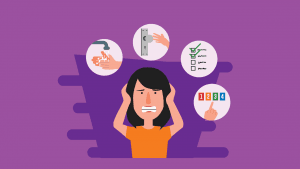
Panic attacks are sudden episodes of intense fear that reach full strength within minutes and bring strong physical symptoms, such as a pounding heart, shortness of breath, trembling and dizziness. Many people who have one are sure they are having a heart attack or losing control. The attack itself is not dangerous, but the experience is real and frightening, and it is worth understanding well.
What happens in the body during panic attacks
Panic attacks are more common than most people think. In the National Comorbidity Survey Replication, a large survey of adults in the United States, Kessler and colleagues (2006) found that about 23 percent had experienced at least one panic attack in their lives.
Far fewer, about 5 percent, met the criteria for panic disorder. That diagnosis is made when attacks keep returning and the person lives in constant worry about the next one or changes daily habits to avoid it. A single attack, or a few during a very stressful period, is not a disorder.
During an attack, the body activates the fight-or-flight response, its automatic reaction to danger, even though no real danger is present. The heart beats faster and breathing speeds up. Many people breathe out too much carbon dioxide, which causes tingling in the hands and lips, lightheadedness and tightness in the chest. These sensations are unpleasant but not harmful.
Most attacks reach their highest intensity within about ten minutes and then fade, although people often feel drained for hours afterward. Because the symptoms resemble those of heart, lung and thyroid problems, a first attack deserves a medical check. A doctor can take a history, record an electrocardiogram and order basic blood tests.
Some substances and conditions can cause or worsen similar symptoms. Caffeine, nicotine, alcohol withdrawal, stimulant drugs, an overactive thyroid and low blood sugar are examples. Skipping meals or eating very little can also make the body more reactive. If you started a new medication shortly before the attacks began, mention it to your doctor.
Why fear of the next attack keeps the problem going
The British psychologist David Clark (1986) proposed a cognitive model of panic that still guides treatment. In his account, a person notices a normal body sensation, such as a faster heartbeat after climbing stairs, and interprets it as a sign of disaster. The fear that follows produces more sensations, which seem to confirm the disaster.
I think of a man in his thirties who had his first attack in a supermarket checkout line. He left his basket and drove home with his heart racing. Within weeks he shopped only late at night, then stopped driving on highways, then stopped going anywhere he could not leave quickly. Each step felt sensible to him at the time.

Avoidance brings relief in the short term, which is why it is so tempting. The problem is that it prevents the person from learning that the fear would have passed without any escape. Smaller habits work the same way. Carrying water everywhere, sitting next to the exit and checking the pulse repeatedly all tell the mind that the situation was dangerous.
Panic attacks are not dangerous, but avoiding everything that might bring one on keeps the fear in place.
Not everyone who has an attack develops panic disorder. Diagnosis generally requires repeated unexpected attacks, followed by at least a month of persistent worry about more attacks or a clear change in behavior because of them. When that pattern appears, treatment is worth seeking early, since avoidance tends to widen over time.

Treatments and daily steps that help
The best-supported treatment is cognitive behavioral therapy. In a network meta-analysis of psychological therapies for panic disorder, Pompoli and colleagues (2016) found that cognitive behavioral therapy had the largest body of evidence. It teaches people to test their frightening interpretations and to approach feared situations and body sensations gradually, so they can learn that the fear fades.
Medication is also an option. In a review of anxiety disorders, Craske and Stein (2016) described cognitive behavioral therapy and antidepressants of the SSRI type as first-line treatments. Benzodiazepines, the fast-acting sedatives, can calm an attack but carry a risk of dependence and are generally not the first choice for long-term use.
During an attack, the most useful step is usually to stay where you are and let it pass. Breathe in slowly through the nose and out through the mouth, a little longer on the exhale. This will not stop an attack at once, but it counters the fast breathing that adds to the symptoms. Tell yourself plainly that this is a panic attack and that it will end.
Daily habits make a difference. Eat regular meals, keep a steady sleep schedule, cut back on coffee and energy drinks, and limit alcohol, which can increase anxiety the next day. Regular physical activity lowers general tension. Return gradually to places you have been avoiding, starting with the easiest, rather than waiting until you feel ready.
See a doctor if attacks keep coming back, if you are organizing your life around avoiding them, or if you also feel persistently low or hopeless. People with an eating disorder or a history of restrictive eating should mention it, because anxiety and eating problems often occur together and each can affect the other. Write down when attacks happen and what you noticed, and bring the notes to the appointment.
References
- Clark, D. M. (1986). A cognitive approach to panic. Behaviour Research and Therapy, 24(4), 461–470.
- Craske, M. G., & Stein, M. B. (2016). Anxiety. The Lancet, 388(10063), 3048–3059.
- Kessler, R. C., Chiu, W. T., Jin, R., Ruscio, A. M., Shear, K., & Walters, E. E. (2006). The epidemiology of panic attacks, panic disorder, and agoraphobia in the National Comorbidity Survey Replication. Archives of General Psychiatry, 63(4), 415–424.
- Pompoli, A., Furukawa, T. A., Imai, H., Tajika, A., Efthimiou, O., & Salanti, G. (2016). Psychological therapies for panic disorder with or without agoraphobia in adults: A network meta-analysis. Cochrane Database of Systematic Reviews, (4), CD011004.